Mailbox Lock Problems in Apartments: What Property Managers Should Know
Why Mailbox Locks Matter in Apartment Buildings
In multi-unit residential buildings, mailbox locks see more use than almost any other lock on the property. Tenants access them daily, often multiple times, and the locks endure weather, wear, and occasional misuse. For property managers, a broken or malfunctioning mailbox lock is not just a nuisance, it can disrupt mail delivery, create security concerns, and frustrate residents. Understanding how these locks work, what typically goes wrong, and how to address issues efficiently is part of the broader role a property manager locksmith can support.
How Apartment Mailbox Locks Work
Most apartment mailbox locks are cam locks or disc-detainer locks. A cam lock uses a simple rotating tab (the cam) that swings into a strike plate to hold the door shut. When you insert the correct key and turn it, the cam rotates out of the way, allowing the door to open. Disc-detainer locks use a series of rotating discs instead of pins, offering better resistance to picking and bumping. Both types are compact, durable, and designed for frequent use. In larger buildings, a central mailbox bank may have a single master key that opens every box, while each tenant receives a key that opens only their compartment. That master-key system makes unit turnover smoother, when a tenant moves out, the property manager can rekey the mailbox lock without replacing the entire lock, provided the lock design allows it.
Common Mailbox Lock Problems
Worn or Stiff Keys
Keys are cut from brass or nickel-silver, and over time the teeth wear down. A worn key may not lift the pins or discs to the correct height, making the lock hard to turn. Tenants sometimes force the key, which bends the key or damages the lock mechanism. If a mailbox lock starts feeling gritty or requires jiggling, the key is often the first thing to check. A fresh copy cut from the original code can solve the problem without touching the lock.
Seized or Corroded Mechanism
Mailbox locks sit outdoors or in unheated lobbies, exposed to rain, snow, and temperature swings. Moisture can seep into the lock cylinder, causing rust or corrosion. The internal springs and pins may stick, and the cam can freeze in place. A lock that will not turn at all or feels rough when turned likely has internal corrosion. Lubricating with a dry graphite powder or PTFE spray can help, but liquid lubricants attract dust and often make the problem worse. If the lock is too far gone, replacement is the only reliable fix.

Misaligned Door or Strike Plate
Sometimes the lock works fine, but the mailbox door does not close properly. The building settles, hinges loosen, or the door frame shifts slightly. When the door is misaligned, the cam cannot engage the strike plate fully, or the door binds against the frame. The result is a door that pops open, requires a hard push to latch, or will not lock at all. This is not strictly a lock problem, but it affects the lock’s function. Realigning the door or adjusting the strike plate usually resolves it.
Broken Key in the Lock
A key can snap off inside the cylinder if it is weak, worn, or forced when the lock is stuck. Extracting the broken piece requires care, using pliers can damage the lock further. A professional can remove the fragment with a broken-key extractor tool. If the lock is old or already corroded, it may be simpler to replace the lock cylinder than to extract the key and then rekey.
Master-Key Conflicts
In buildings with a master-key system, the locking mechanism must accommodate both the tenant key and the master key. If the master key is cut slightly off, or if the lock cylinders wear unevenly, the master key may work only some of the time. This can happen after years of use or after a rekeying job that did not account for the master-key hierarchy. A locksmith familiar with master-key systems can diagnose the issue and adjust or replace the affected cylinders.
What Unit Turnover Means for Mailbox Locks
When a tenant moves out, the property manager needs to ensure the next tenant receives a key that works only for that unit’s mailbox. Rekeying the mailbox lock is standard practice. Rekeying changes the internal pins or discs so the old key no longer works, while the lock body stays in place. This is faster and cheaper than replacing the entire lock. However, the lock must be in good enough condition to rekey. If the cylinder is corroded or the cam is worn, replacement may be necessary. A property manager locksmith can assess the locks during turnover and handle rekeying or replacement efficiently.
Access Control and Common-Area Mailboxes
Some apartment buildings use a central mailroom with a locked door, rather than individual mailbox locks. The mailroom door may be controlled by a keypad, a smart lock, or a traditional key. If the mailroom lock fails, no one gets their mail until it is fixed. Smart locks can provide an access log, showing who entered and when, which helps with security and troubleshooting. However, smart locks require power and network connectivity, and they are not immune to failure. A backup mechanical lock or a manual override is wise. For common-area locks, the same principles apply: regular maintenance, prompt repair, and coordination with a locksmith who understands the building’s access setup.
Signs a Mailbox Lock Needs Professional Attention
Some mailbox lock issues are simple enough for a handy property manager to address. Lubricating a sticky lock, tightening a loose hinge, or replacing a worn key are straightforward. But there are signs that call for a professional locksmith:
- The lock will not turn even with a correctly cut key.
- The key goes in but will not come out.
- The lock is visibly rusted or damaged.
- Multiple tenants report the same problem with different locks, suggesting a building-wide issue such as a worn master key or a failing master-key system.
- A key breaks off inside the cylinder.
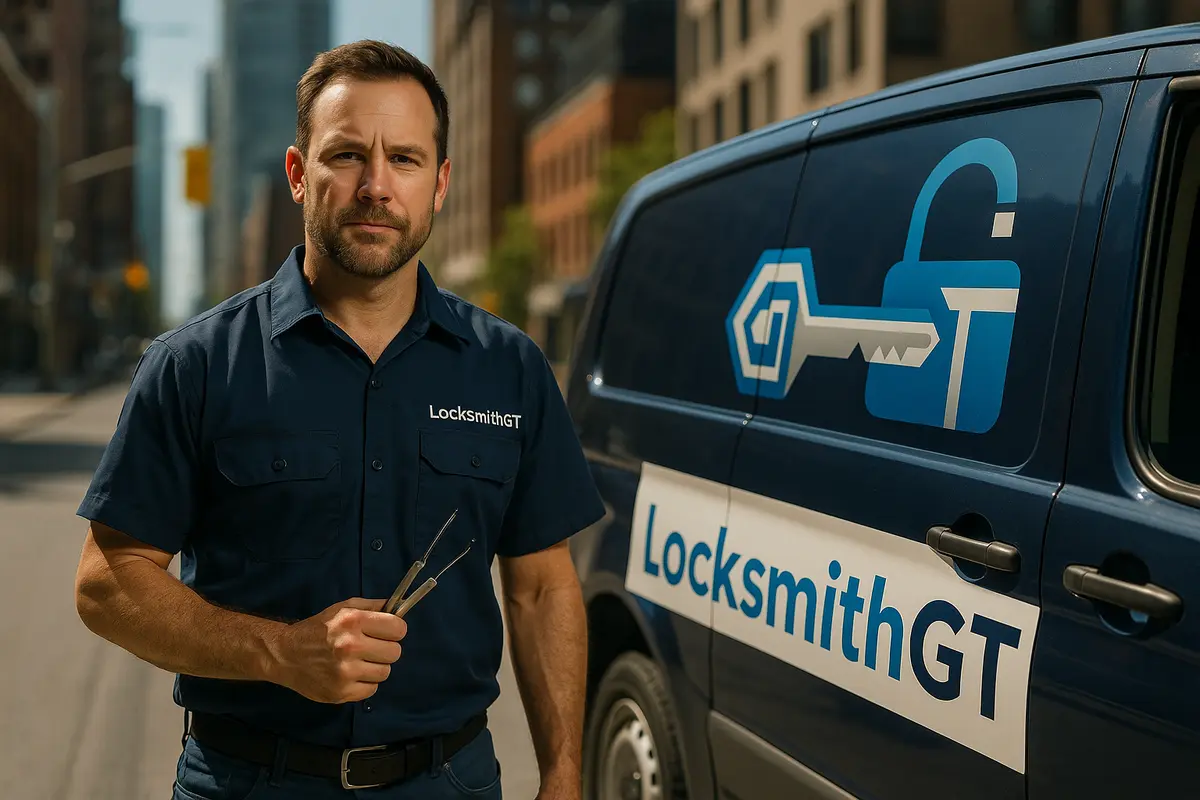
Attempting to force a stuck lock often makes it worse. A locksmith can open the box without damaging the door, extract broken keys, and replace or rekey the cylinder efficiently. For properties in Toronto, LocksmithGT provides 24/7 mobile locksmith services for home, vehicle and business lockouts, lock changes, rekeying and key work. Having a reliable contact for these situations saves time and keeps residents happy.
Preventive Maintenance Tips for Property Managers
Mailbox locks are not “set and forget” items. A small investment in preventive care can extend their life and reduce emergency calls. Here are practical steps property managers can take:

- Inspect mailbox locks during unit turnover. Check for stiffness, rust, or misalignment. Rekey or replace as needed before the new tenant moves in.
- Use the right lubricant. Graphite powder or a dry PTFE spray is best. Avoid WD-40 or oil-based products, which gum up over time.
- Keep spare keys cut from the original code. Do not rely on worn keys to make copies, as the copies will inherit the wear.
- Document the master-key system. Record which locks are on which master key, and store the master keys securely. If a master key is lost, rekeying the entire system may be required.
- Consider upgrading to higher-security locks for mailrooms or parcel lockers. Disc-detainer locks or restricted-keyway systems offer better resistance to picking and unauthorized key duplication.
Mailbox lock problems are a routine part of managing rental properties. They are not difficult to handle, but they demand a systematic approach. Knowing what can go wrong, how to spot early warning signs, and when to call a professional keeps the building running smoothly. For property managers juggling dozens of units, a trusted locksmith who understands the specific needs of multi-unit buildings is a valuable partner. LocksmithGT offers mobile locksmith services across Toronto, covering the kind of work that keeps apartment mailboxes secure and accessible. By staying on top of mailbox lock maintenance, property managers can avoid disruptions and maintain tenant trust.